
Tư vấn sản phẩm
Địa chỉ email của bạn sẽ không được công bố. Các trường bắt buộc được đánh dấu *

Design Philosophy: Where Each Chair Comes From
The differences between a gaming chair and an office chair are not cosmetic. They trace back to entirely different starting points — and understanding those origins makes the comparison much easier to navigate.
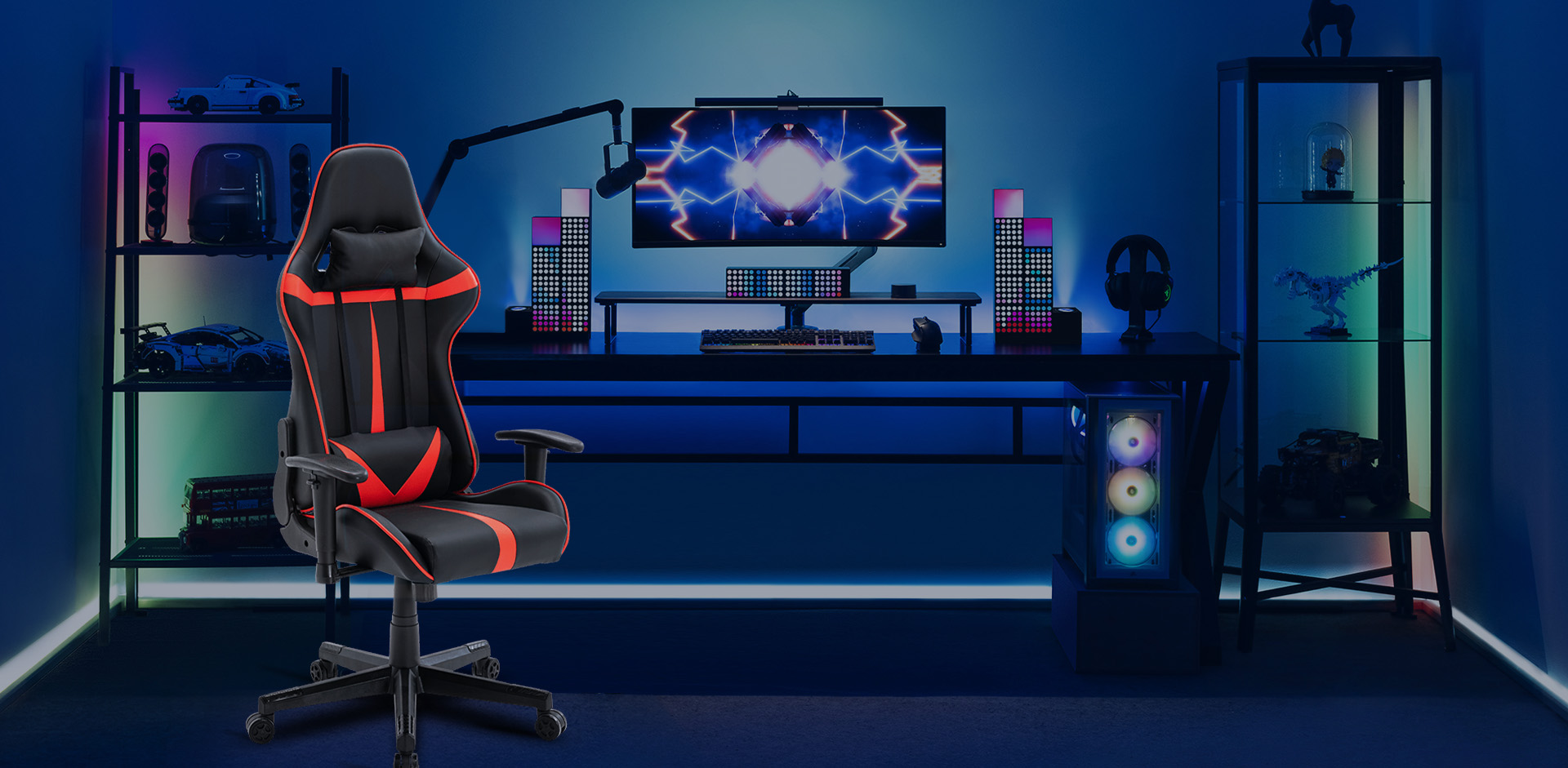
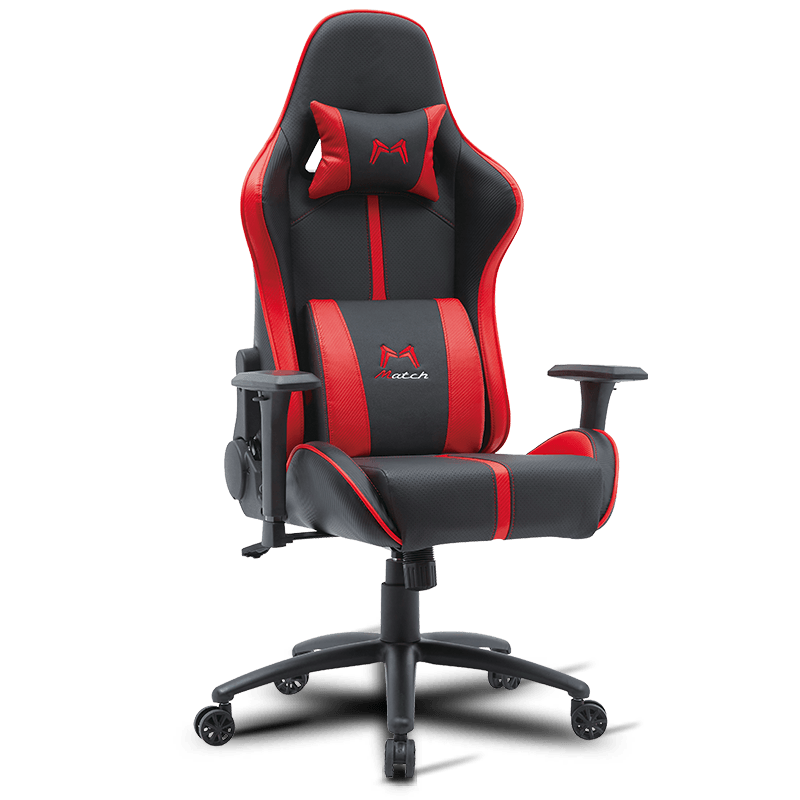
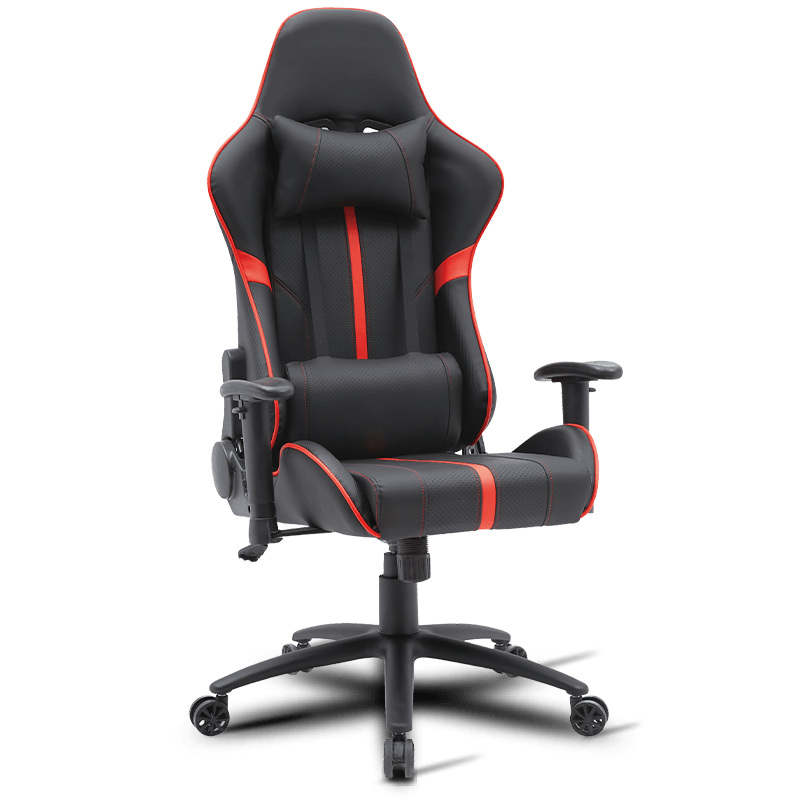
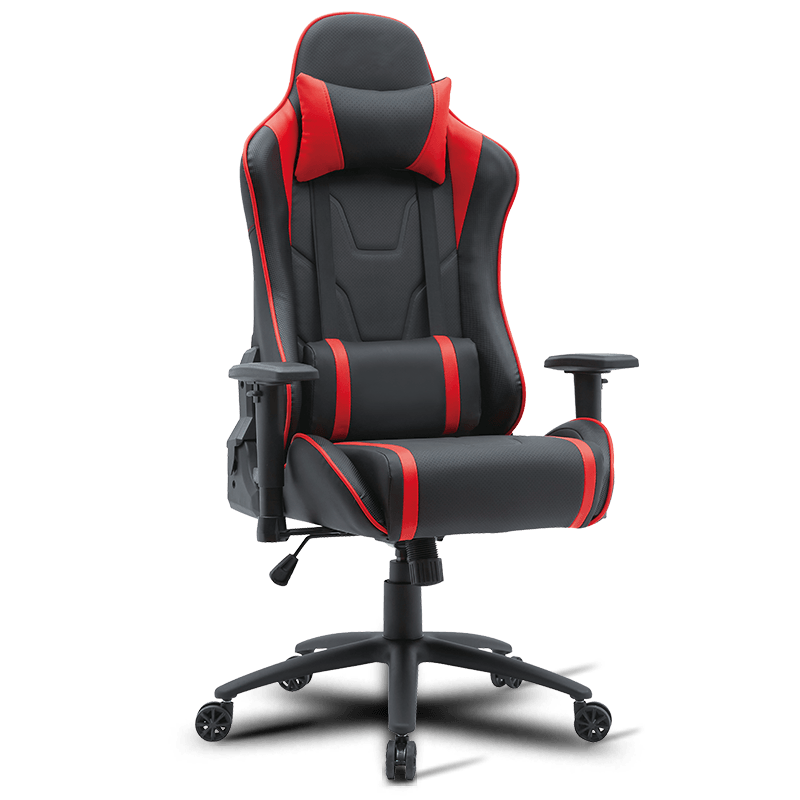
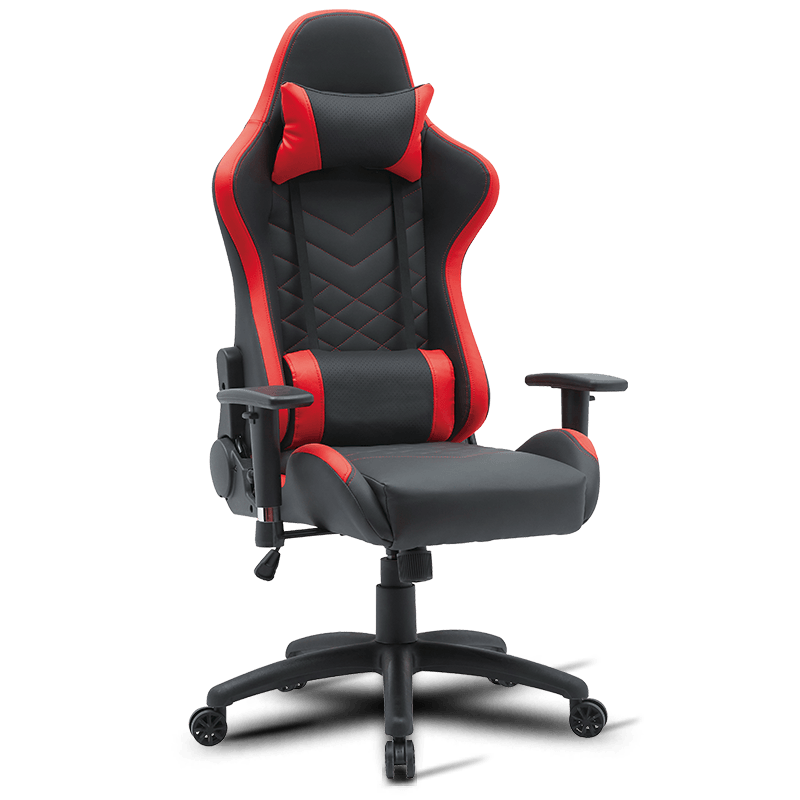
Gaming chairs draw direct inspiration from motorsport bucket seats. The high wraparound backrest, the side bolsters that cradle the torso, the bold color blocking and contrast stitching — all of it mimics the aesthetic of a racing cockpit. That visual language became culturally linked to gaming through esports and streaming, and manufacturers leaned into it. The design prioritizes immersion, personality, and a plush enveloping feel during sessions that can range from one hour to an entire evening.
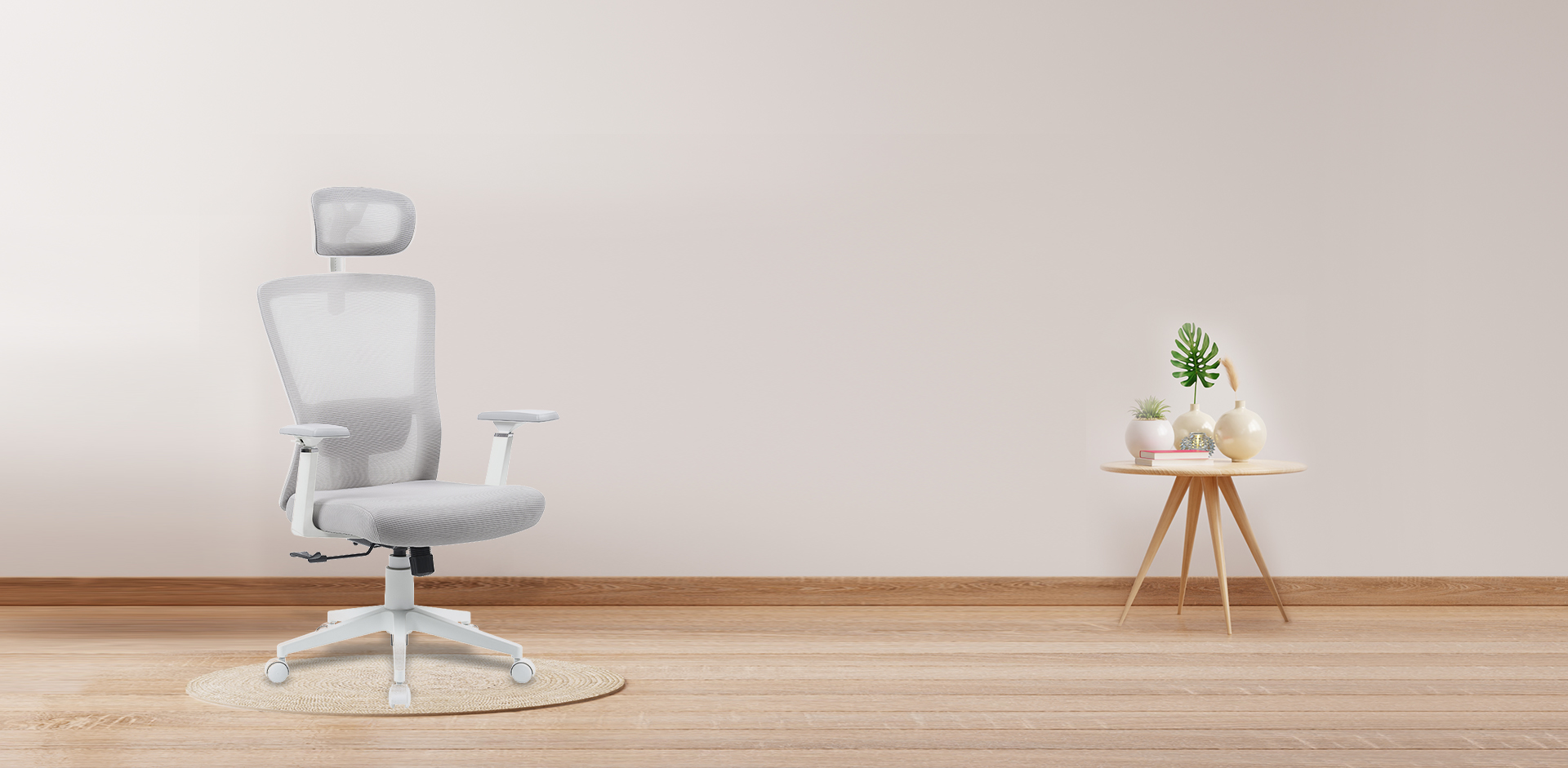
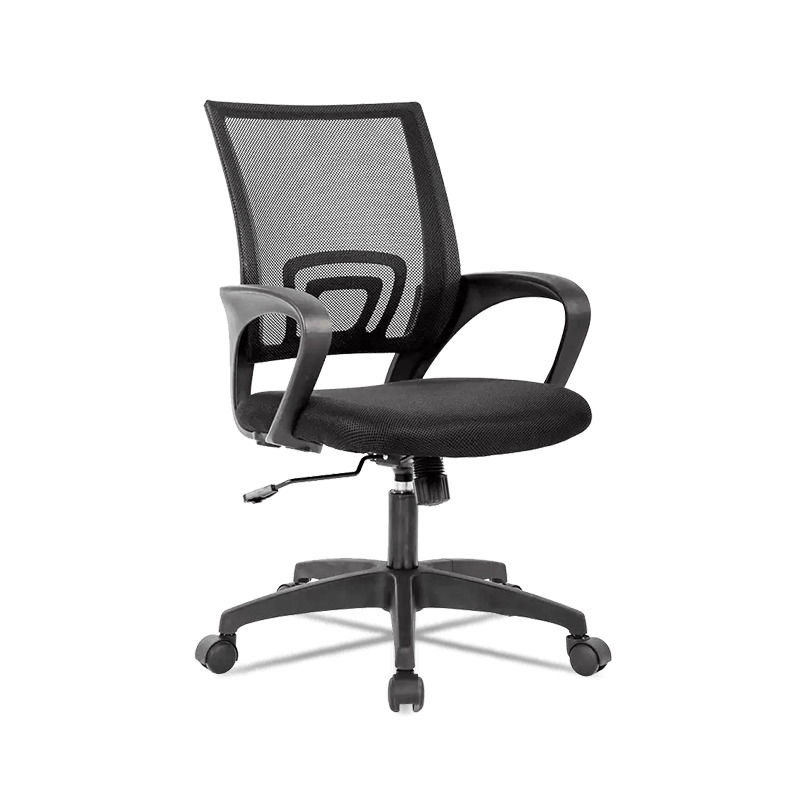
Office chairs start from a different question: what does the human spine need during eight hours of upright, task-focused sitting? The answer, developed through decades of biomechanics research, is a chair that supports the natural S-curve of the spine, allows minor postural shifts without destabilizing the user, and keeps the hips, knees, and elbows at angles that minimize cumulative muscular strain. Every design element — the contoured backrest, the waterfall seat edge, the multi-axis armrests — exists to serve that physiological brief.
Neither philosophy is wrong. They are optimized for different activities, different postures, and different durations of use. The problem arises when buyers assume the chairs are interchangeable, or when marketing language obscures which category a product actually belongs to.
This is where the practical gap between the two chair types becomes most visible. Similar price points can produce very different ergonomic outcomes depending on category.
Most gaming chairs address lower back support through a removable lumbar pillow — a separate cushion that attaches to the frame and sits against the lumbar curve. The pillow is adjustable in position, which sounds helpful, but in practice it rarely fits every user's spinal geometry precisely. It also tends to compress over time and shift out of position during a long session.
Office chairs, particularly mid-range and above, integrate lumbar support directly into the backrest structure. The best implementations allow height and depth adjustment of the lumbar zone so the support contacts the lower back regardless of the user's torso length. Integrated lumbar support maintains contact through postural shifts in a way that a pillow cannot, which matters significantly over the course of a full workday.
Gaming chairs typically use a fixed bucket seat shape with raised side bolsters. The bolsters are part of the aesthetic but they constrain seating position — users cannot sit cross-legged, and anyone whose hips are wider than the bolster spacing will find the seat uncomfortable. Seat depth is generally fixed, which means the chair cannot be properly sized to users of different leg lengths.
Better office chairs offer adjustable seat depth, allowing the front edge of the seat to be moved forward or back to match the user's thigh length. The goal is to leave approximately two to three finger-widths of clearance between the seat edge and the back of the knee, which prevents pressure on the popliteal vessels and maintains circulation during extended sitting.
Gaming chairs often offer an impressive recline range — some models can lay nearly flat, which is genuinely useful for rest breaks or casual media consumption. The tilt mechanism tends to be simple and coarse, with a limited number of lock positions.
Office chairs typically offer a more nuanced tilt system: synchronized tilt that moves the seat and backrest in coordinated proportion, forward tilt for task-focused postures, and adjustable tilt tension calibrated to the user's body weight. These features are less dramatic than a 170-degree recline but more relevant to the actual mechanics of productive sitting.
Budget gaming chairs often include fixed or 1D armrests that adjust only in height. Office chairs at equivalent price points frequently include 3D or 4D armrests that move in height, width, depth, and pivot angle. Armrests that can be positioned to support the forearms while keeping the shoulders relaxed and elbows at roughly 90 degrees make a meaningful difference in neck and shoulder fatigue over hours of keyboard and mouse use.
| Feature | Gaming Chair (typical) | Office Chair (typical) |
|---|---|---|
| Lumbar Support | Removable pillow, adjustable position | Integrated, height/depth adjustable |
| Seat Depth | Fixed bucket seat | Adjustable on mid-range and above |
| Recline Range | Up to 135–170°, few lock positions | 95–120°, synchronized tilt mechanism |
| Armrests | 1D–2D (height, limited width) | 3D–4D (height, width, depth, pivot) |
| Headrest | Fixed or pillow-based | Adjustable height, sometimes absent |
| Seat Edge | Bolstered sides, may restrict width | Waterfall edge for circulation |
Material choice affects comfort more than most buyers anticipate — not immediately, but across a full day of use. The difference between a breathable surface and a heat-trapping one becomes very apparent after the third or fourth hour.
The majority of gaming chairs use PU leather upholstery. It photographs well, wipes clean easily, and gives the chair a premium visual presence that aligns with the gaming aesthetic. The practical downside is thermal: PU leather does not breathe. Body heat accumulates at the contact points between the user and the seat surface, leading to discomfort and increased fidgeting during extended sessions. Fidgeting, in turn, correlates with postural instability and accelerated fatigue. PU leather is also susceptible to cracking and peeling at stress points — seat edges, armrest caps — after two to three years of regular use, particularly in environments with temperature variation or direct sunlight exposure.
Mesh backrests — and to a lesser extent mesh seat surfaces — allow continuous airflow through the contact surface. This keeps the microclimate between the chair and the user's body within a comfortable temperature range even during long sedentary periods. For users who spend six or more hours seated, mesh is the most commonly recommended material for all-day comfort. The tradeoff is a different tactile character: mesh provides a taut, firm feel rather than the plush enveloping sensation of padded PU leather. Some users prefer this; others find it less immediately comfortable, particularly during the first few days of adjustment. The mesh office chairs designed for all-day comfort in our lineup use high-tension mesh that maintains its support profile without sagging over time.
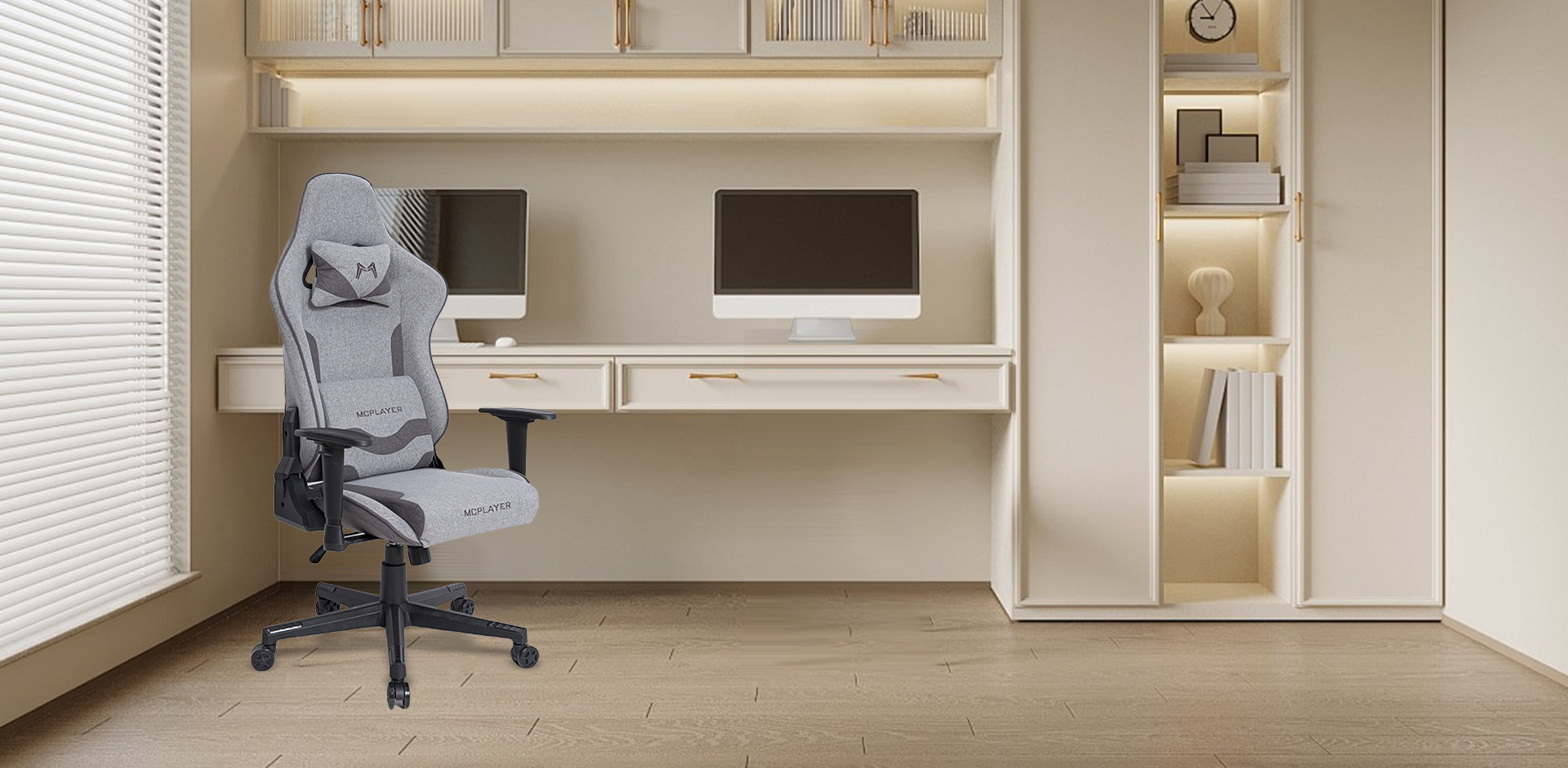
Fabric upholstery sits between PU leather and mesh in both breathability and tactile warmth. It breathes moderately well, resists the peeling failure mode of PU leather, and typically maintains its appearance longer under regular use. Fabric is more susceptible to staining than PU leather but easier to clean than mesh. For users in environments where aesthetics matter but full mesh feels too clinical, fabric-upholstered office chairs represent a practical middle ground.
| Material | Breathability | Durability | Maintenance | Best For |
|---|---|---|---|---|
| PU Leather | Low | 2–4 years before peeling | Easy wipe-clean | Short–medium sessions, gaming setups |
| Mesh | High | 5–10 years with quality frame | Low maintenance | All-day seated work, warm environments |
| Fabric | Medium | 4–7 years typical | Moderate (stain-prone) | Mixed use, temperature-variable rooms |
Price tag comparisons between gaming and office chairs can be misleading without accounting for lifespan. A $300 gaming chair and a $300 office chair do not deliver equivalent value over five years.
Gaming chair foam — the high-density padding in the seat and backrest — compresses noticeably within two to four years of regular use. The chair does not break; it just progressively loses the support that made it comfortable in the first place. The structural frame is typically adequate, but it is the foam and the upholstery that define the chair's functional lifespan, and both tend to degrade faster than equivalent office chair components at the same price point. A significant portion of the manufacturing cost in a gaming chair goes toward materials and processes that serve aesthetics: multi-tone upholstery, contrast stitching, branded accents. These are real costs that come out of the budget available for structural and ergonomic quality.
Office chairs at the same price point tend to allocate more of their cost toward the mechanisms — the tilt assembly, the gas cylinder, the caster quality — and toward higher-density foam or mesh tensioning that maintains its performance characteristics longer. Mid-range office chairs from reputable manufacturers typically carry five-year warranties and maintain structural integrity for seven to ten years under normal office use. The long-term cost per year of comfortable sitting is often lower in the office chair category even when the purchase price appears similar.
For buyers sourcing chairs at volume — fitting out a workspace, purchasing in bulk for resale, or building out a product range — this durability difference has direct implications for return rates, warranty claims, and customer satisfaction over the product's operational life.
The honest answer is that neither chair type wins universally. The right choice depends almost entirely on how you actually use the seat — and for how long each day.
For anyone spending six or more hours a day on focused desk tasks — writing, coding, video calls, spreadsheet work — an office chair is the more defensible choice. The integrated lumbar support, adjustable seat depth, and breathable materials all serve sustained upright sitting in ways that most gaming chairs do not. The home office chairs built for extended work sessions in our range prioritize exactly these properties: postural support, adjustability range, and materials that remain comfortable across a full working day.
For sessions that lean heavily toward gaming — controller-in-hand console play, relaxed reclined browsing, or immersive desktop gaming where the aesthetic of the setup matters — a gaming chair's high backrest, deep recline, and visual personality are genuine advantages. The chair is doing what it was designed for: providing comfortable support during varied, often more relaxed postures across a few hours at a time.
This is the most common real-world scenario for home users, and the most common source of buyer's remorse. A chair that feels great for gaming at 120 degrees of recline can feel awkward for six hours of upright typing. The practical answer is to prioritize ergonomics first: a well-adjusted office chair with good lumbar support and armrests positioned for keyboard use is more adaptable to occasional gaming than a gaming chair is to full-day work. Look for a high-back design if neck support during gaming is important, and consider models that offer genuine lumbar adjustability rather than pillow-only solutions. The ergonomic gaming chairs with lumbar support and headrest we manufacture are designed with this dual-use reality in mind — offering the visual character of a gaming chair alongside adjustability specifications borrowed from the office chair category.
Regardless of category, these four questions narrow the field effectively. First, how many hours per day will the chair be used? More than six hours shifts the balance toward office chair ergonomics. Second, what is the primary posture — upright and task-focused, or reclined and relaxed? Third, does the environment run warm? If so, mesh or fabric outperforms PU leather meaningfully. Fourth, what is the realistic ownership period? A five-year horizon changes the value calculation compared to a two-year plan. Chairs that answer all four questions honestly — rather than selling on aesthetics alone — are the ones that still feel like good purchases eighteen months in.
Độ bền của Ghế Giải trí: Hướng dẫn về Vật liệu Tốt nhất
Jun 15,2026Ghế văn phòng điều hành: Hướng dẫn về sự thoải mái và phong cách
Jul 01,2026Địa chỉ email của bạn sẽ không được công bố. Các trường bắt buộc được đánh dấu *
Bản quyền © Công ty TNHH Nội thất Anji Mingchuang Đã đăng ký Bản quyền.
Xưởng sản xuất ghế gia đình bán buôn
